 Capitol Square
 CSRAB
CSRAB
 Museum Shop
 Parking
 News Media
 Capitol Square Foundation
 Public Tours
 School and Group Tours
 Self-Guided Tours
 Museum Education Center
 Battery A
 Great Ohioans
 Governor Portraits
 George Washington Williams Room
 County Flags
 Ohio Presidents
 Ladies' Gallery
 Museum Collections Catalog
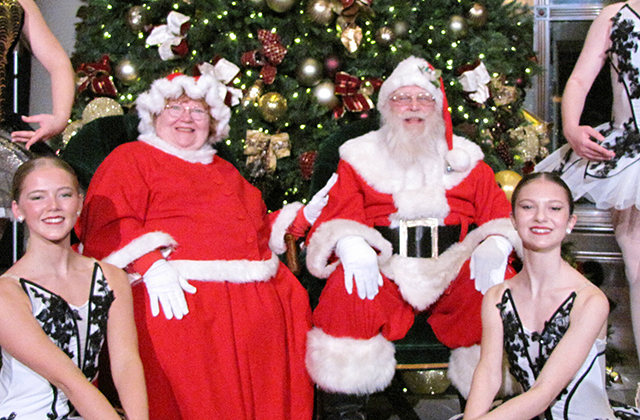 Holiday Santa Photos 2025
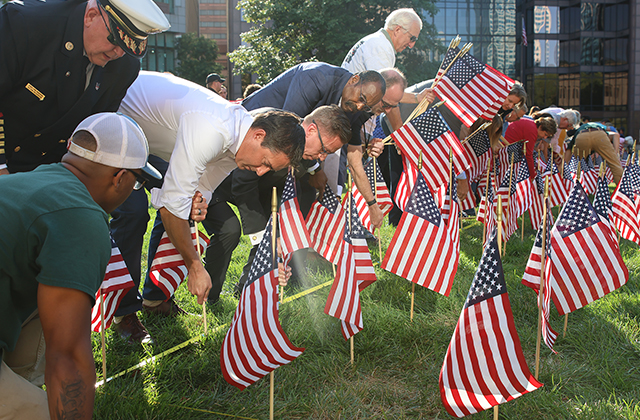 Flags for 9-11 in 2025
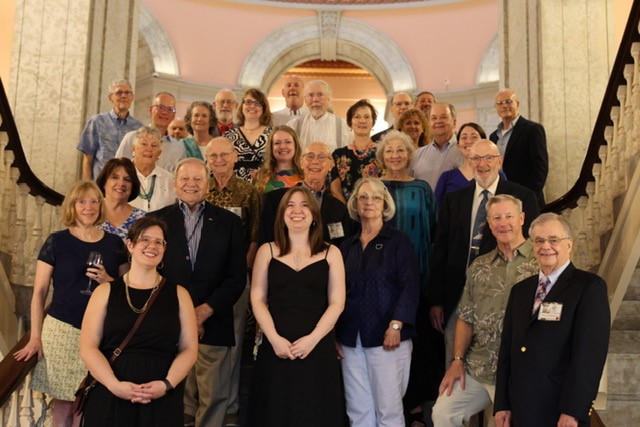 2025 Volunteer Appreciation Dinner
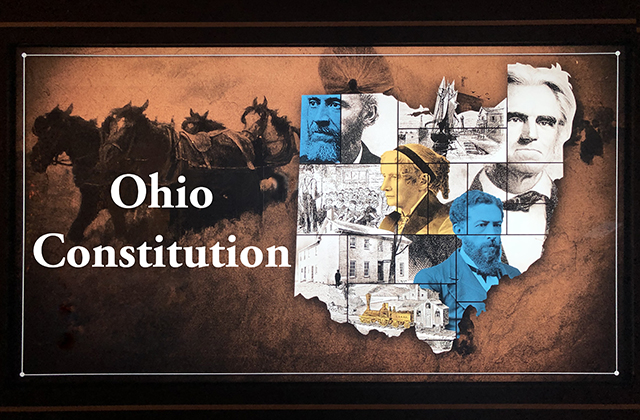 Ohio Constitution Videos
 Ohio Statehouse Videos
 News Archive
 Mailing List
 Your Event
 Weddings





 Vintage Base Ball 2026
 American Revolution in the Ohio Country - 250
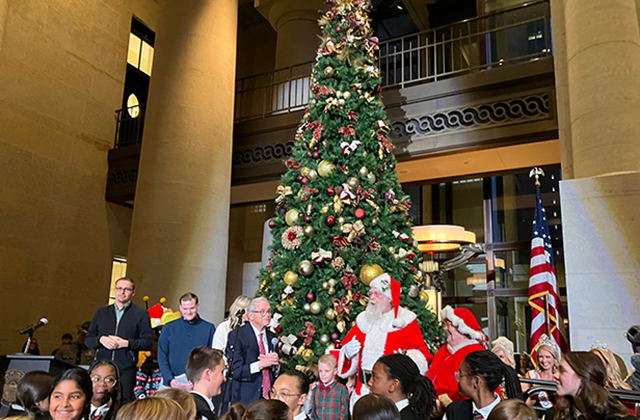 Holiday Festival and Tree Lighting 2025





The Unknown War: Remembering the 200th Anniversary of the War of 1812
A Day-Long Series of Special Exhibits and Presentations Offered at the Ohio Statehouse on September 10
September 10, 2012
Ohio Statehouse Rotunda and South Plaza; Broad & High Streets; downtown Columbus
614/752-9777
Free!
The Ohio Statehouse has joined the national movement to commemorate the bicentennial of the War of 1812 which began on June 18, 1812. The Ohio Statehouse Museum Education Center will continue to recognize the war’s 200th anniversary on September 10 with a day-long series of special exhibits and presentations about the history of events leading up to this American conflict. Each of the exhibits and presentations are free and open to the public.
Exhibit: A Treaty of Peace
After General Anthony Wayne's decisive defeat of the Ohio Indian tribes at the Battle of Fallen Timbers, leaders of the Indian nations joined with Wayne on August 3, 1795 to sign the Treaty of Greenville. See the spectacular peace pipe (calumet) and wampum belt presented at the signing ceremonies of the Treaty. Also on display will be a peace medal and a leather pouch of Shawnee’s leader, Cornstalk. Ohio Historical Society staff will be on hand to answer questions and talk with visitors. A graphic timeline will help visitors understand the context and chronology of events.
The exhibit will be on display in the Ohio Statehouse Rotunda from 10:00 a.m. to 3:00 p.m. The exhibit is free and open to the public.
Presentation: Lock, Stock and Barrel
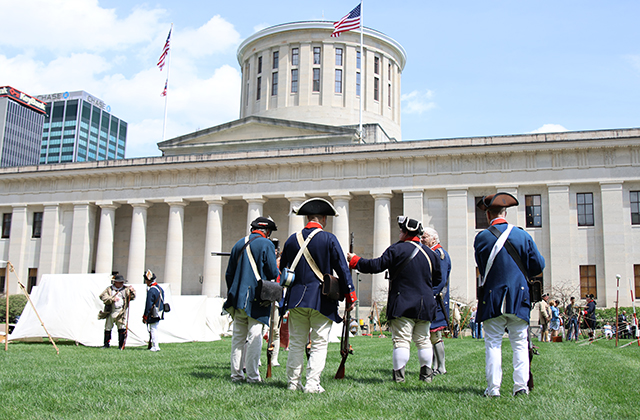
During the eighteenth century, frontiersmen exclusively used flintlock muskets, rifles and trade guns. Chris Matheney, a staff interpreter in period clothing, will lead two 15-minute presentations, acquainting visitors with the “lock, stock, and barrel” of flintlock muskets. Mr. Matheney will discuss flintlock nomenclature and demonstrate how to load and safely fire a musket. The event is informative and fun for all ages.
The presentations will take place outdoors on the Ohio Statehouse South Plaza (State Street side) near the cannon 10:00 a.m. and 1:00 p.m. The presentations are free and open to the public.
Program: Prepare for the Battle of Lake Erie!
Guest speaker Roberta Jones, a former Park Service Ranger at Perry’s Victory & International Peace Monument, will provide two one-hour presentations highlighting Ohio and the nation prior to the War of 1812, the causes for war and conditions of the military during preparations. Attendees will be “in the know” and prepared for next year’s 200th anniversary of the Battle of Lake Erie, a critical Ohio battle in the little-known War of 1812.
The presentations will take place in the Ohio Statehouse Rotunda beneath the painting, “Perry’s Victory” from 12:00 p.m. to 1:00 p.m. and 2:00 p.m. to 3:00 p.m. The presentations are free and open to the public.
The noon presentation will be streamed live on the Internet by Ohio Government Telecommunications at www.ohiochannel.org.
On View: The Star-Spangled Banner & Perry’s Victory Painting
In commemoration of the war’s bicentennial, a 10 foot by 15 foot 15-star American Flag is on display in the Ohio Statehouse Rotunda. The flag is a replica of the star-spangled banner that flew above Ft. McHenry in Chesapeake Bay during the war, and famously inspired our country’s national anthem. The flag flew on Veterans Plaza on June 18, 2012 marking the exact day that President Madison declared war on Great Britain in 1812. The flag is on display through December 2012.
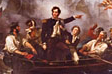
Adjacent to the 15-star flag in the Rotunda is the magnificent painting, Perry’s Victory, depicting the Battle of Lake Erie. Perry’s Victory, depicts the key battle in which Oliver Hazard Perry led the American forces to victory over the British. Prominently painted in the picture is the 15-star American flag. Perry’s flagship, the Lawrence, had caught fire, and his crew suffered heavy casualties. The painting was the first piece of artwork commissioned by the state of Ohio for the new 1861 Statehouse.
The survivors, including Perry, rowed to another American ship, the Niagara, transferred his battle flag and continued the fight, outmaneuvering the British. Oliver Hazard Perry, commanding the American fleet, met up with the British off the Bass Islands in Lake Erie and soundly defeated them. This action effectively gave control of the lake to the Americans, and led to General William Henry Harrisons’ invasion of Canada. Perry is famous for his statement after the final stages of the battle, “We have met the enemy and they are ours.”
About the War of 1812
In the War of 1812, the United States took on the greatest naval power in the world, Great Britain, in a conflict that would have an immense impact on the young country's future. Causes of the war included British attempts to restrict U.S. trade, the Royal Navy's impressment of American seamen and America's desire to expand its territory.
President James Madison requested a declaration of war to protect American ships on the high seas and to stop the British from impressing or seizing U.S. sailors. U.S. ships were being stopped and searched by both Great Britain and France, who were fighting each other in Europe. American attempts to invade Canada during the war failed, but U.S. forces won a number of important naval battles. Americans saw the War of 1812 as a triumph that showed the new nation could fend off foreign threats.
The United States suffered many costly defeats at the hands of British, Canadian and Native American troops over the course of the War of 1812, including the capture and burning of the nation's capital, Washington, D.C., in August 1814. Nonetheless, American troops were able to repulse British invasions in New York, Baltimore and New Orleans, boosting national confidence and fostering a new spirit of patriotism. The ratification of the Treaty of Ghent on February 17, 1815, ended the war but left many of the most contentious questions unresolved. Nonetheless, many in the United States celebrated the War of 1812 as a "second war of independence," beginning an era of partisan agreement and national pride.